




Cecina is best known for the sea, the pine forest and relaxing days at the beach. But those who choose to stay a few more days soon discover another face of the area: the ancient one, made up of Roman villas, Etruscan finds and little stories kept in museums. In this article we accompany you to discover the main archaeological sites in the surroundings of our facility, to turn a beach vacation into a real journey through time.
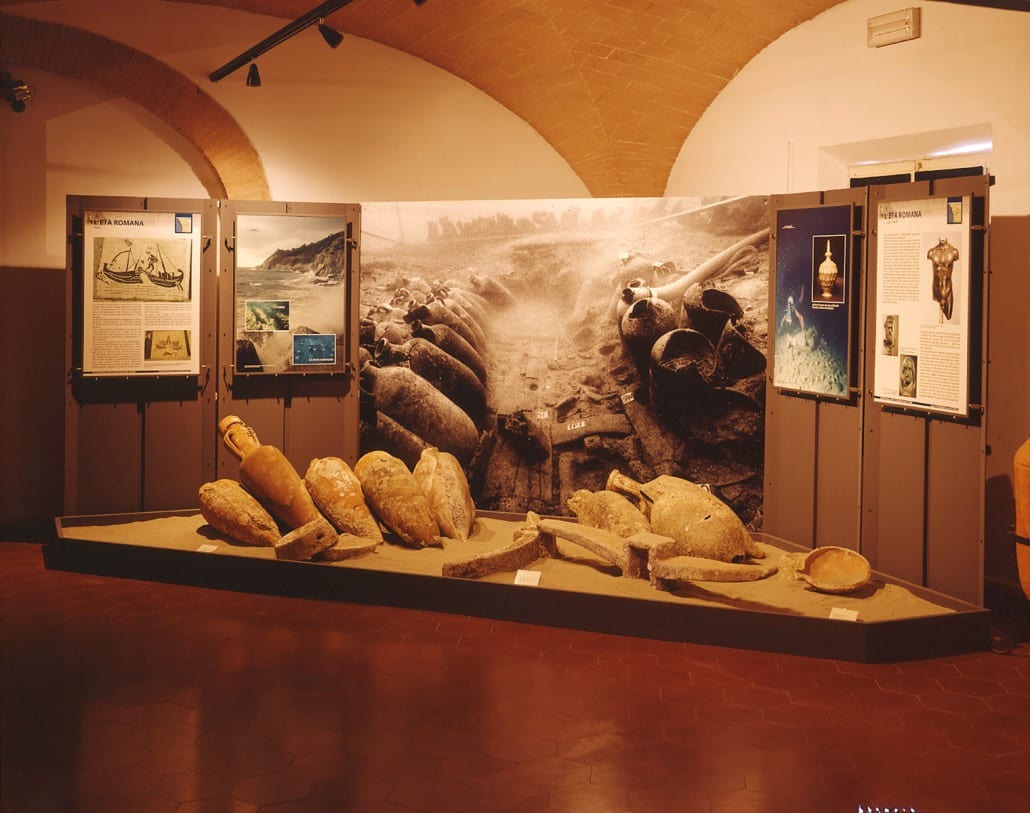
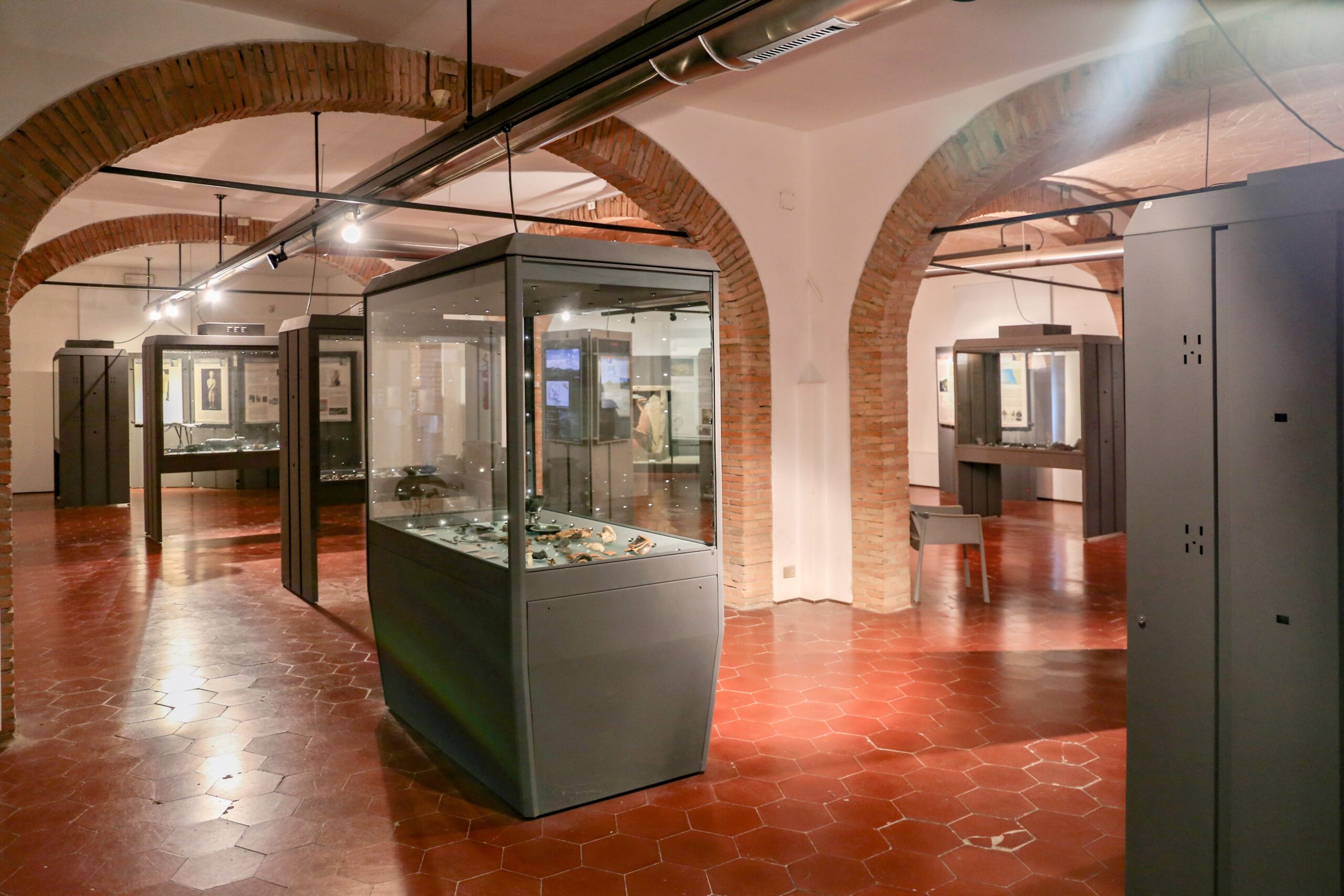
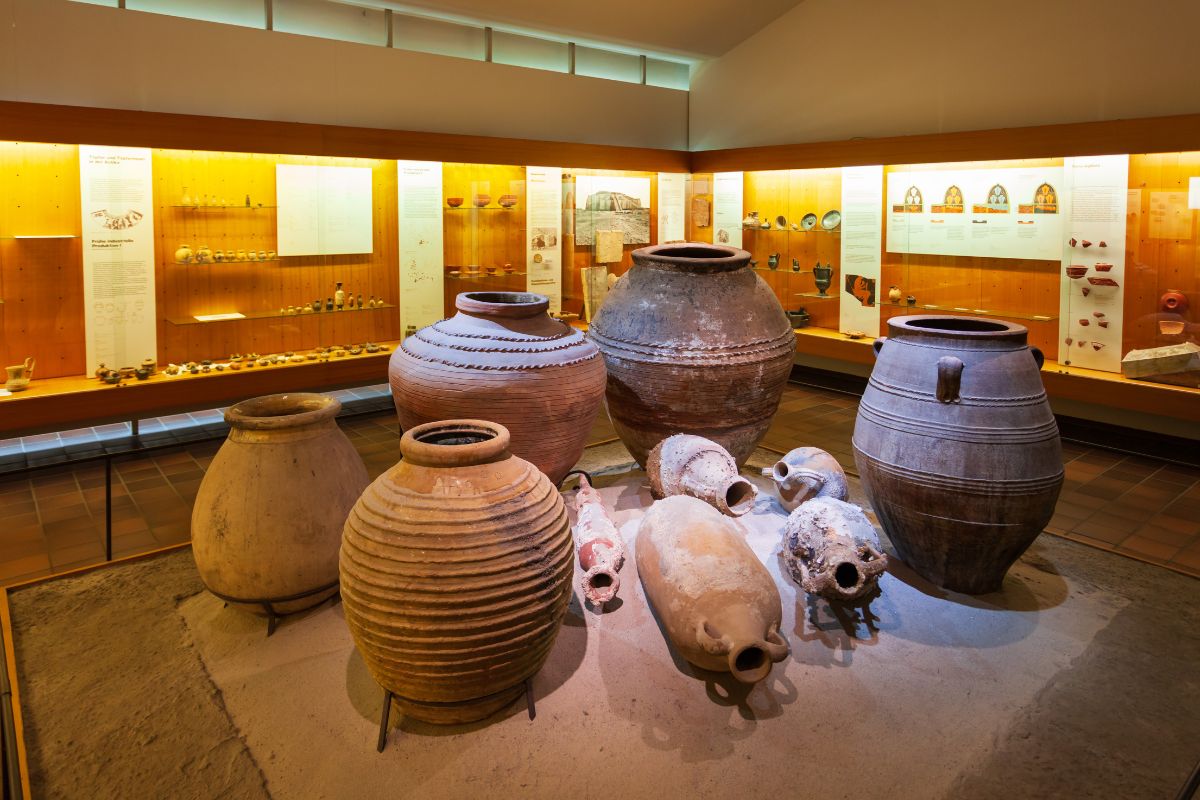
The ideal starting point is the Cecina Archaeological Museum, housed in a historic villa in the town center. Here a simple, well-organized tour tells the story of life in these lands from prehistoric times to the Roman and early medieval ages. Showcases and panels illustrate everyday objects, grave goods, pottery, coins-small fragments that, put together, help us imagine who inhabited the Cecina Valley centuries and millennia ago. It is also a perfect visit for the family: children are often fascinated by weapons, jewelry and amphorae, and the museum’s small size makes it a pleasant experience, never tiring.
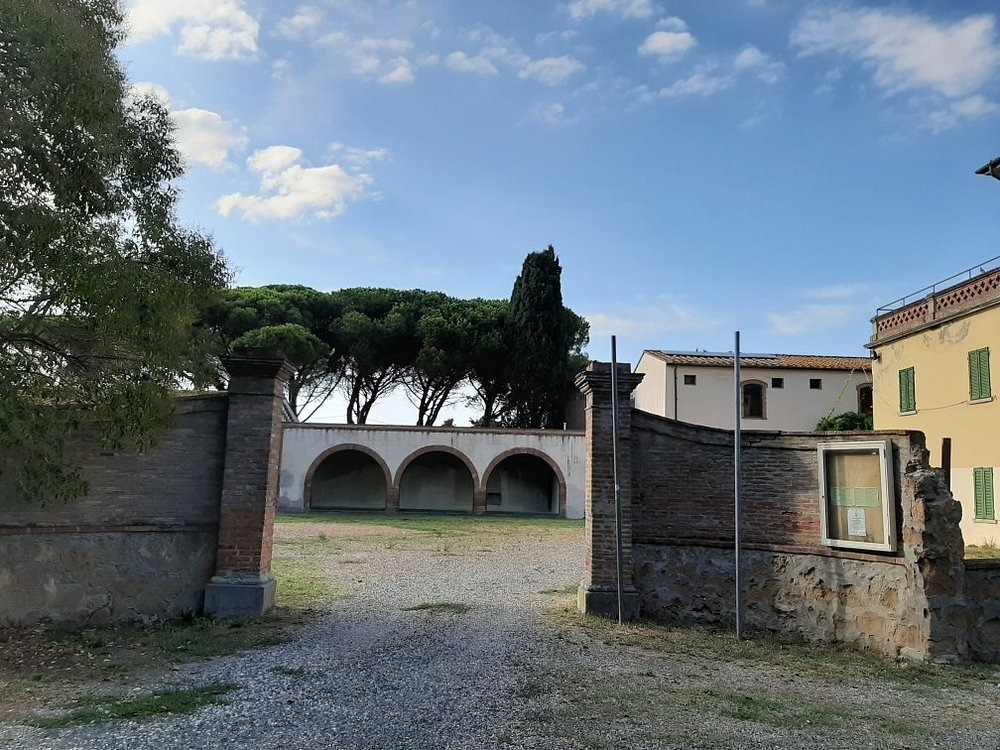
From the museum it is easy to move on to a visit to the San Vincenzino Archaeological Park, where the remains of a large Roman villa can be found. Once here stood a stately residence overlooking a rich and strategic agricultural territory; today, walking among the wall structures, one can still sense the spaces of the house, the reception rooms and service areas. The most striking feature is the large underground cistern, which can be visited, and which was used to collect and store water for the villa: going down there means literally entering the “technical heart” of the domus, where engineering and daily life met.
At certain times of the year the site is enhanced with guided tours, events and evening openings: an excellent opportunity to experience archaeology in a more engaging way. Even without special initiatives, however, the villa of San Vincenzino is a place that invites slowness: one can stop, observe, and imagine the Tuscany of two thousand years ago, when instead of modern roads there were fields, farms, and ancient roads.
Cecina’s history does not stop there. The exhibits in the museum come from various excavations in the area, including necropolis and settlements scattered along the Cecina Valley and in nearby villages.
Without wanting to get too technical, it is interesting to know that traces of different eras are concentrated in just a few kilometers: from the Etruscan heritage to the centuries of Roman rule and the rural communities of the Middle Ages. For those who like to create small itineraries, it is possible to supplement the visit to Cecina with stops at other archaeological centers on the Etruscan Coast, where history continually dialogues with the landscape.For example, heading south from Cecina, you can go as far as the Archaeological Park of Baratti and Populonia, where you walk among Etruscan necropolis, Roman remains and paths overlooking the sea of the Gulf of Baratti. For those who want to delve deeper, the day can continue in Piombino, with the Archaeological Museum of the Territory of Populonia, which collects the area’s most important artifacts.
From a practical point of view, a morning or afternoon is usually sufficient to combine museum and Roman villa. Many guests choose to devote the cooler hours of the day to cultural visits, then indulge in a swim in the sea or a walk in the pine forest.
Our advice is to wear comfortable shoes, bring water and a hat, and always check in advance when and how they are open, which may vary depending on the season.
Plan your excursions
By staying in our Camping Village you have the advantage of being able to organize these experiences with complete freedom. At the front desk we can help you with directions, travel times, suggestions on where to park, and, if necessary, up-to-date information on guided tours and upcoming events.
We can also advise you on how to combine archaeology with other activities: a tasting of local products, an evening stroll along the waterfront, a typical dinner after a day among the relics and mosaics.
Visiting Cecina’s archaeological sites means adding an extra piece to your vacation: not only relaxation, but also the feeling of walking in the same places crossed by Etruscans, Romans and medieval farmers. If you are planning your stay with us and you love history, we invite you to carve out a few hours for this little trip back in time: it will be a different and special way to get to know Cecina and its territory.
Other sites and museums nearby
The main archaeological locations that can be reached from Camping Bocca di Cecina.
Distances are approximate, depending on the medium used may vary slightly
1. Archaeological Park of the Roman Villa of San Vincenzino
- Distance to the campsite: about 1 km
- Location: Cecina, San Vincenzino area, inland immediately from the sea. The park preserves the remains of a large Roman villa and the spectacular underground cistern.
Address “Archaeological Park of the Roman Villa of San Vincenzino, 57023 Cecina (LI)”
2. Municipal Archaeological Museum “La Cinquantina” (Archaeological Museum of Cecina).
- Distance to the campsite: about 1.5 km
- Where it is located: Cecina, La Cinquantina locality, in Villa Guerrazzi, Via Francesco Domenico Guerrazzi 5, 57023 Cecina
Museum collecting artifacts from the Lower Cecina Valley, from prehistoric times to the Roman period, closely connected to San Vincenzino Park.
3. Archaeological area of San Gaetano di Vada (Vada Volaterrana).
- Distance to the campsite: about 6.5 km
- Where it is located: Località San Gaetano, Vada (municipality of Rosignano Marittimo). Roman port area with warehouses (horrea), thermal complexes and a schola related to the port’s guilds, between the Cecina and Fine rivers.
4. Rosignano Marittimo Archaeological Museum (Palazzo Bombardieri).
- Distance to the campsite: about 11 km
- Where it is located: Rosignano Marittimo, in the historic center, at Palazzo Bombardieri, Via del Castello 24-26, 57016 Rosignano Marittimo
Educational museum displaying artifacts from Prehistory to the Middle Ages, including materials from the Castiglioncello necropolis, from Vada and the San Gaetano area.
5. National Archaeological Museum of Castiglioncello
- Distance to the campsite: about 12 km
- Where it is located: Castiglioncello (a hamlet of Rosignano Marittimo), Punta Righini area, at Via del Museo 8, just above the sea.
Exhibits mainly grave goods from the Etruscan necropolis of Castiglioncello (4th-1st centuries B.C.), with renovated layout and joint management by the Municipality and the Tuscany Regional Museums Directorate.
Travel Blog